
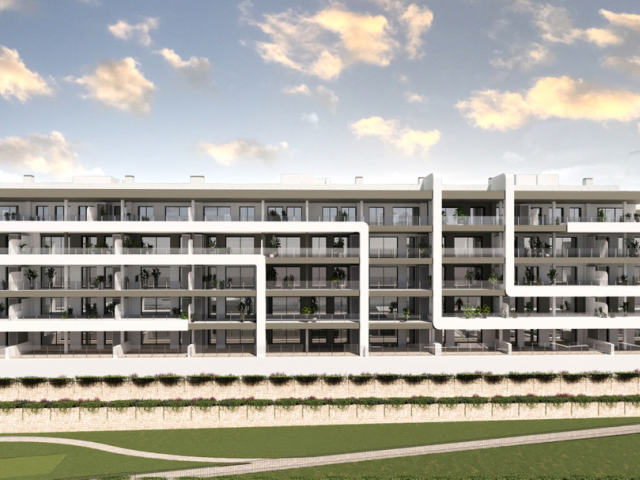
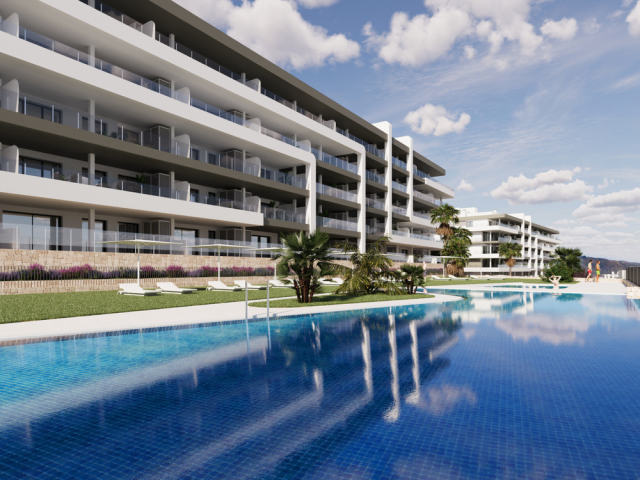
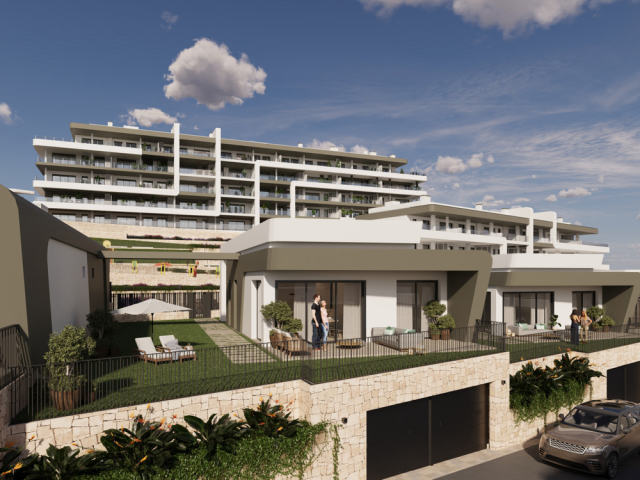
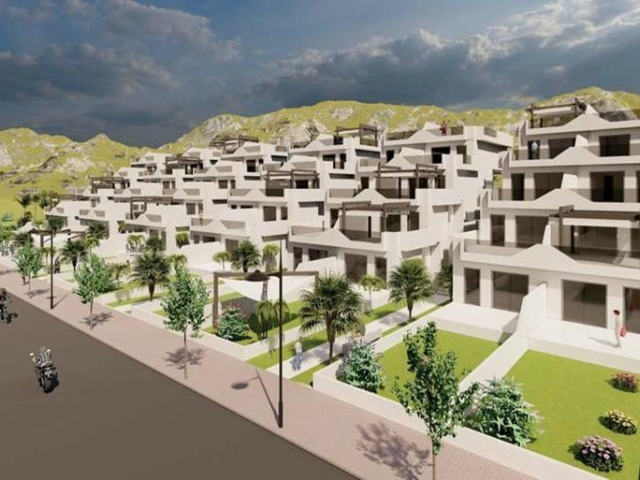
Where is Alicante?
Alicante sits on the south-east coast of Spain, facing the Mediterranean, at the northern end of the stretch we call the Costa Blanca South. It is both a city and a municipality of around 350,000 people, and the province takes its name.
Alicante-Elche airport is about 11 km away in a straight line, which is roughly 15 to 25 minutes by car depending on traffic. The city is also a transport hub in its own right: San Juan Playa and El Campello are north along the coast, and Santa Pola and Torrevieja are south.
One thing to be clear about: Alicante is not a resort. It is a working city with a port, a university population and a busy centre, and the beach happens to be part of it.
What is it like to live in Alicante?
Life here is urban and walkable. The old quarter, Barrio de Santa Cruz, climbs the hill below Santa Bárbara Castle, and the coast road and the palm-lined Explanada promenade run along the seafront near the marina.
Everyday things are close by. The Mercado Central sells fresh fish and produce, the main shopping streets stay open into the evening, and there are museums and galleries, including the MARQ archaeology museum.
Public transport is a real advantage. The TRAM light rail runs underground through the centre and out along the coast: L1 reaches Benidorm in about 70 minutes, L2 serves the General Hospital, the university and San Vicente del Raspeig, L3 goes to El Campello and L4 and L5 reach Playa de San Juan. Single fares start at about €1.45.
Alicante Terminal station puts Madrid within roughly two and a half hours by high-speed train. In June the city stops for the Hogueras de San Juan, with bonfires, parades and fireworks.
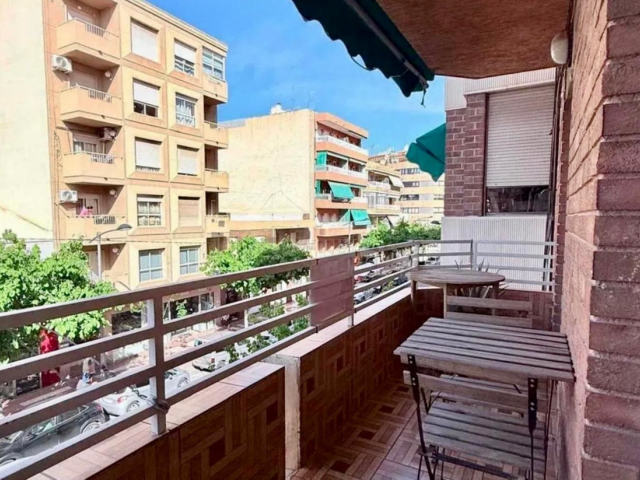
The honest drawbacks are city drawbacks: traffic, parking, and flats that can be noisy in the centre on summer nights. Winter, though, stays busy, which is exactly why some buyers choose the city over a coastal urbanisation.
How much does property cost in Alicante?
At the time of writing (September 2026), prices in our own Alicante listings look like this:
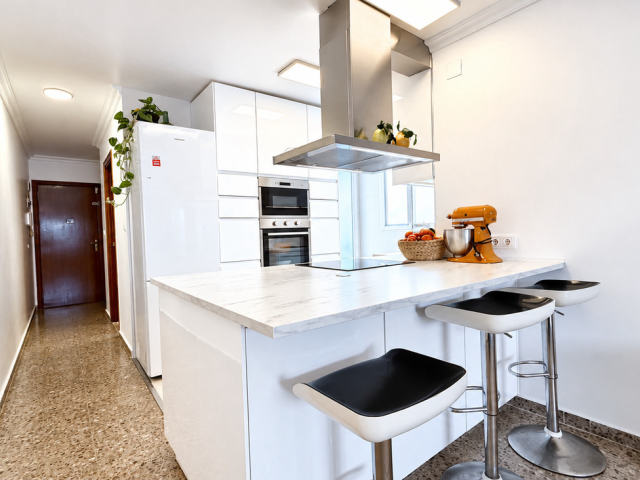
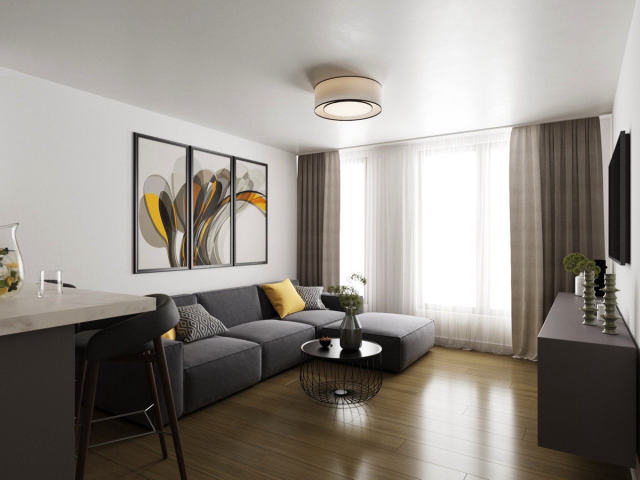
- Apartments: from around €175,000, with a typical figure near €320,000.
- All property types together: a middle price of roughly €390,000.
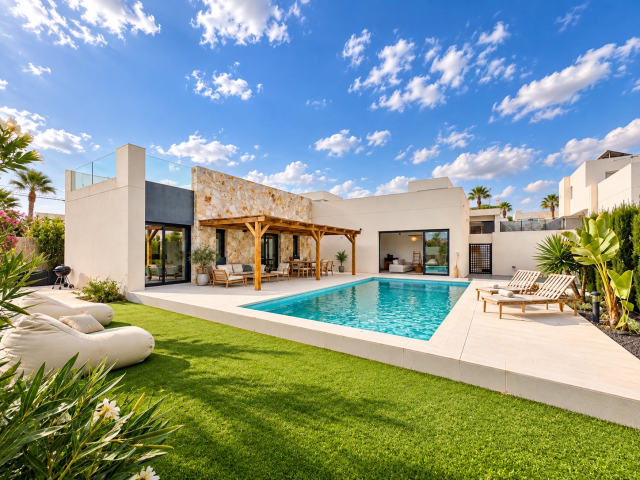
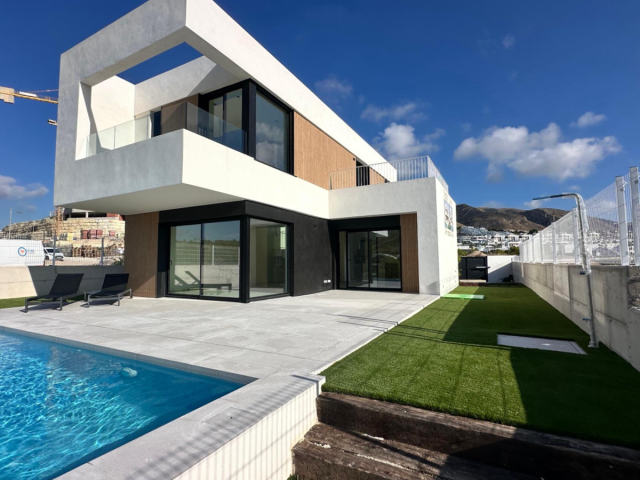
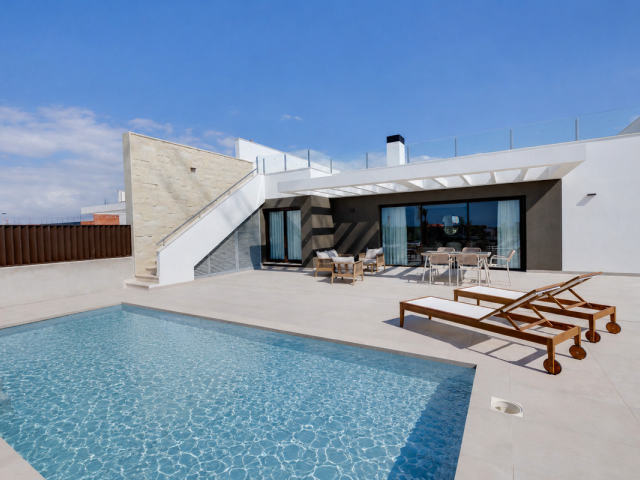
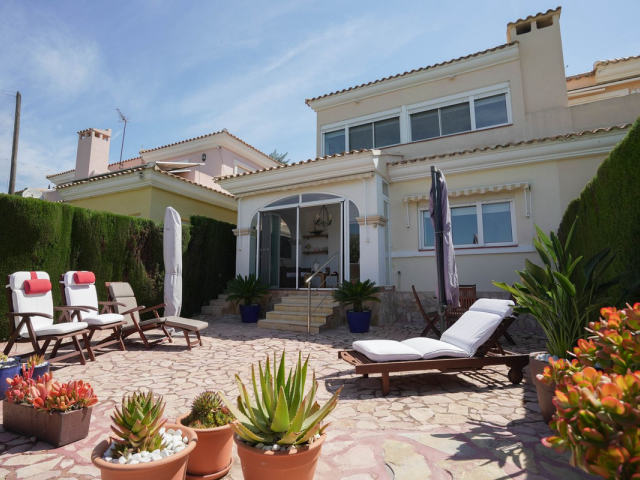
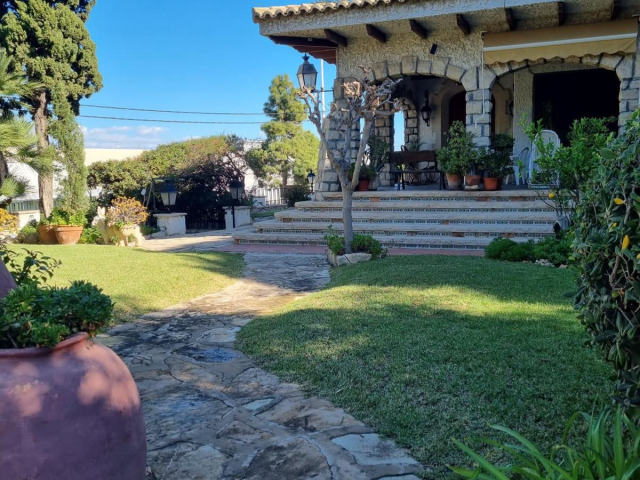
- Villas and detached homes: typically around €1 million, with the top of our range near €1.35 million.
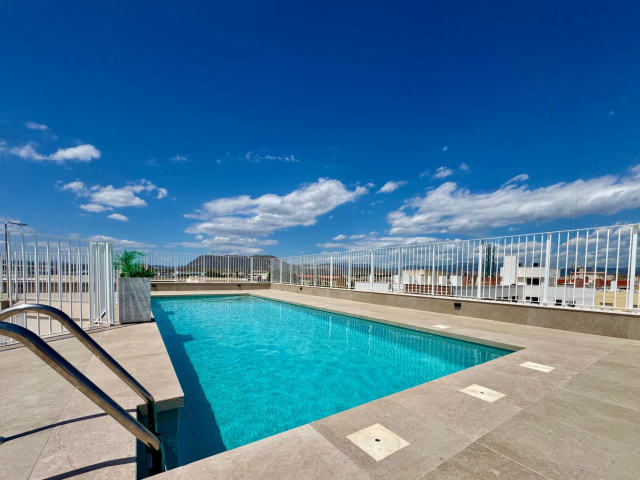
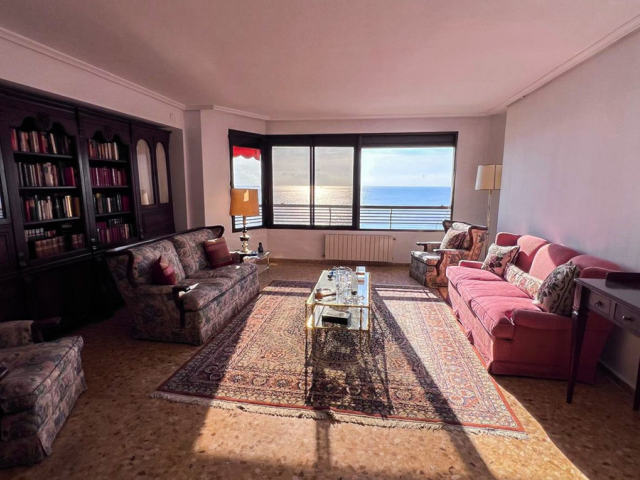
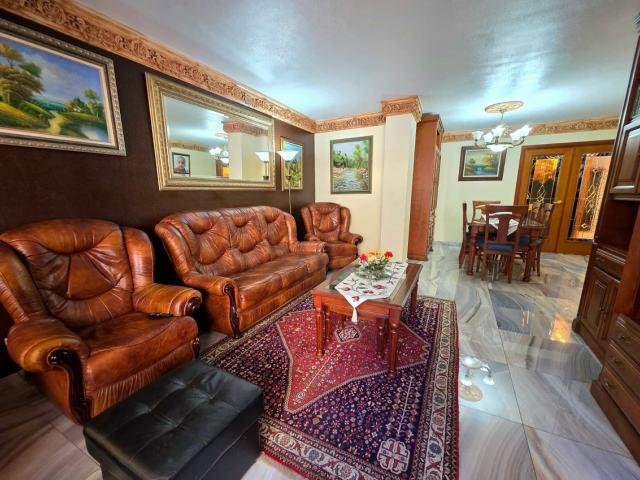
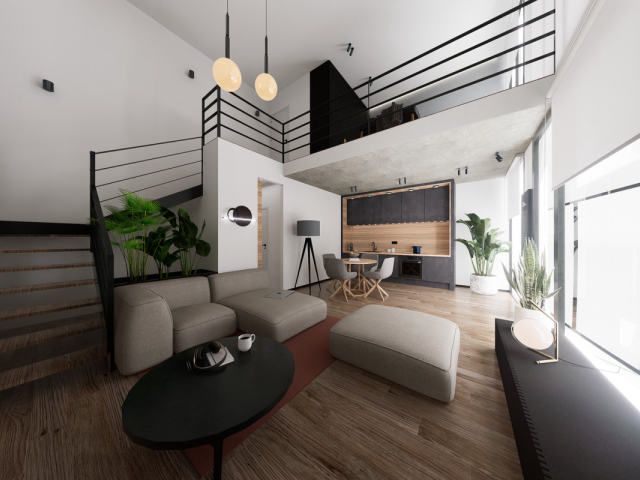
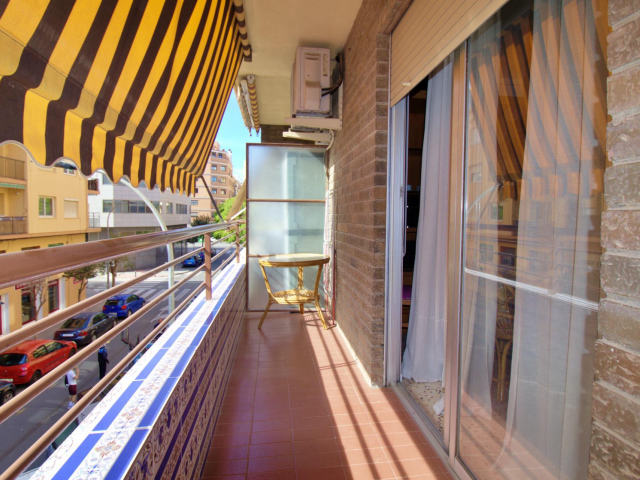
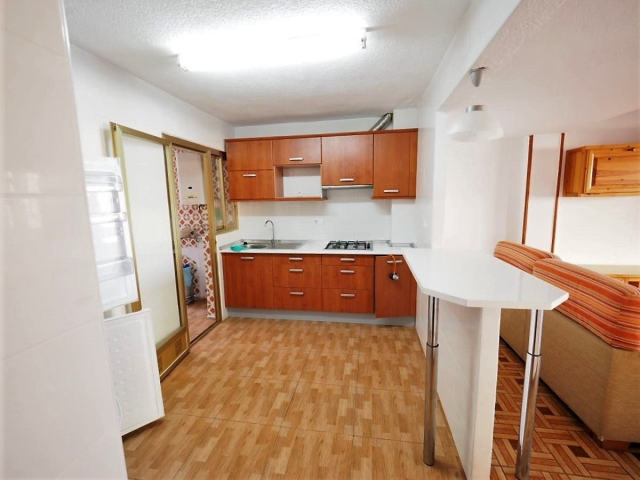
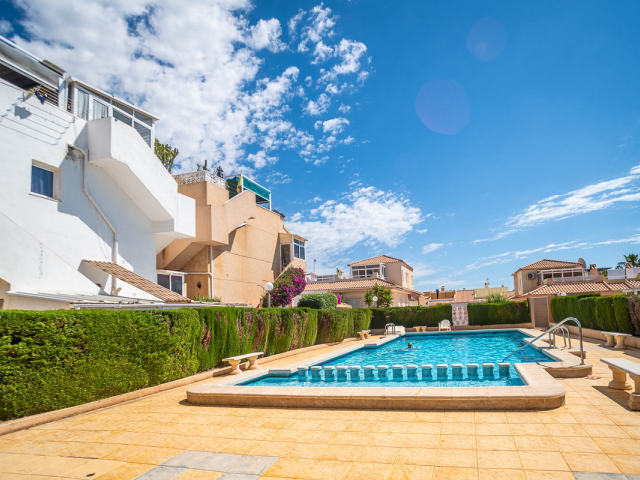
Most of what sells here is apartments, which is normal for a city. A typical home in our list has three bedrooms and about 120 m² built. Around one in six is a new build, and roughly a quarter have a pool, usually a shared community pool rather than a private one.
Budget for buying costs on top of the price. In the Valencian Community, resale transfer tax (ITP) is 9%, rising to 11% on the part above €1 million from 1 June 2026. New build is 10% IVA plus 1.4% stamp duty (AJD).
How far is Alicante from the beach and the airport?
Playa del Postiguet is the city beach, a stretch of roughly 900 metres of sand at the foot of the castle and a short walk from the Explanada and the old town. Many central flats are 10 to 20 minutes on foot from the water.
For a bigger, wider beach, Playa de San Juan runs for several kilometres north of the city and is reached by tram or a short drive. South of the city there are dune-backed beaches such as those at Arenales del Sol and Gran Alacant.
For airports: Alicante-Elche is about 15 to 25 minutes by car, and Región de Murcia airport at Corvera is roughly 84 km away in a straight line, so allow about an hour to an hour and a quarter. Note that the TRAM does not serve the airport; there is an airport bus and taxis from the centre.
Which part of Alicante should I look at?
The city has very different neighbourhoods, and the right one depends on how you want to live.
- Centre and old town: best for walking everywhere, cafés and culture. Older buildings, some without lifts or parking.
- Seafront and north coast: San Juan Playa and Albufereta offer long beaches, modern blocks and the tram line, with a calmer feel than the centre.
- Inland and university side: San Vicente del Raspeig is cheaper per square metre and popular with year-round residents.
- South of the city: Santa Pola and Gran Alacant give you more space and a holiday-coast feel within easy reach of Alicante.
A quick word on golf
Alicante is a city first. There are courses in the wider area, but if golf is your main reason for moving, the resort areas further south are usually the better fit, and we can point you to them.
Who buys in Alicante and is it good for renting out?
Our buyers here are a mix. Some are Northern Europeans who have had a holiday flat on the coast and now want a city base with everything open in January. Others are working or semi-retired buyers who value the airport, the train to Madrid and the hospitals.
For letting, the city has two clear seasons rolled into one: summer beach visitors and year-round demand from students, staff and business travellers. That usually means a longer letting season than a purely seasonal resort, though city flats often earn steadier rather than spectacular returns.
Short-term holiday letting in the Valencian Community needs a tourist licence and registration, and city rules have tightened in recent years. Always check the position for the exact building before you buy, because some communities no longer allow it.
If you would like an honest view on a particular street or block, come and see us at our office in Cabo Roig, or have a look through the homes listed above.
Frequently asked questions
Do I need a car if I live in Alicante?
Not for daily life in the centre or along the tram line, where buses, trams and walking cover most trips. A car helps for beaches further out, supermarkets on the ring road and trips into the countryside.
Is Alicante quiet in winter?
It is calmer than in August, but it does not shut down. Shops, markets, restaurants, schools and hospitals all run normally through the winter, which is one of the main reasons buyers pick the city.
Can I find a home with a private pool in the city?
It is possible but uncommon, and usually means a villa in one of the residential districts at a higher price. In apartments, a shared community pool is far more likely.
Are there international schools near Alicante?
Yes, there are international and bilingual schools in and around the city and the wider metropolitan area, and the University of Alicante is in nearby San Vicente del Raspeig. We can send you current options once we know where you plan to live.
How does Alicante compare with the resort towns further south?
Alicante gives you a real city: more choice of shops, culture and transport, and less seasonality. Towns south along the coast tend to give more space, more pools and lower prices per square metre for the same budget.
What should I check before buying an older flat in the centre?
Ask about the lift, the state of the roof and façade, community fees and any planned works, and whether parking is included or rented nearby. Older city buildings can be excellent value, but the community's finances matter as much as the flat itself.