

Where is Catral?
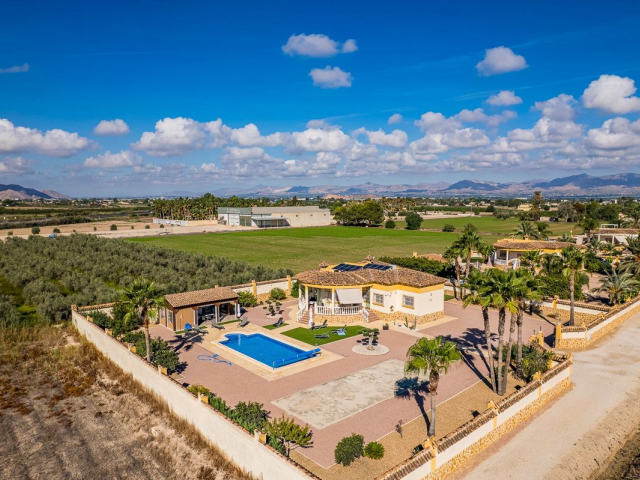
Catral sits in the Vega Baja del Segura, the flat, heavily irrigated plain at the southern end of Alicante province. The town stands only about 12 metres above sea level, and the land around it is farmed for artichokes, citrus, cereals and olives, watered by channels fed from the River Segura.
It is roughly halfway between the cities of Alicante and Murcia, so both are an easy drive. Orihuela, the regional capital, is about 16 km away, and Elche around 20 km.
Catral is surrounded by other small Vega Baja towns, and many buyers compare a few of them before choosing. The closest are Dolores, Almoradí, Albatera and San Isidro, all within a short drive.
Road links are good, with the AP-7 and A-7 motorways close by. There is also a railway station shared with Albatera, about 3 km from the centre, on the line between Alicante and Murcia.
What is it like to live in Catral?
Catral feels Spanish first and international second. Life happens around the main square, the town hall and the church of Los Santos Juanes, which is unusual in the Vega Baja: it has an elliptical rather than circular dome, and it faces north instead of east.
The town is small but has what you need day to day: supermarkets, bakeries, banks, pharmacies, bars and restaurants. There is a market on Saturday mornings with fresh produce, clothing and household goods.
Fiestas matter here. The main celebrations honour San Juan Bautista in late June, and Santa Águeda brings a much older tradition of pilgrimage every February.
Two honest points. First, you will get more from Catral if you learn some Spanish, because this is not a resort and not everyone speaks English. Second, you will want a car: there is a local bus service and the train station nearby, but a car makes the beaches, golf and big supermarkets simple.
How much does property cost in Catral?
All prices below are from our own listings at the time of writing (September 2026) and are asking prices, rounded.
- Entry level: from around €195,000, usually an apartment or a smaller house.
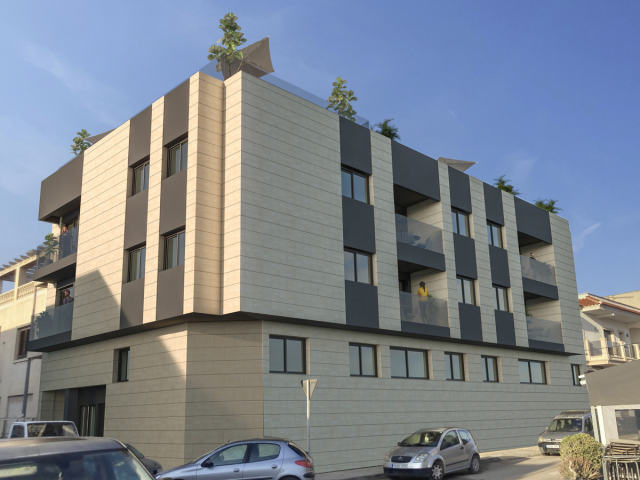
- Apartments: typically €200,000 to €280,000, with the middle of the market around €240,000.
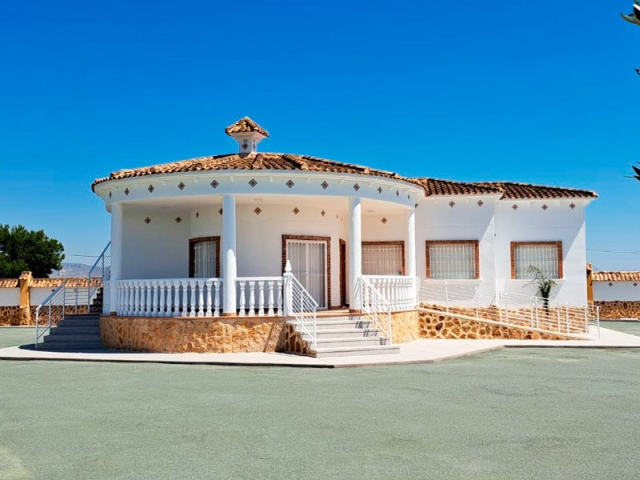
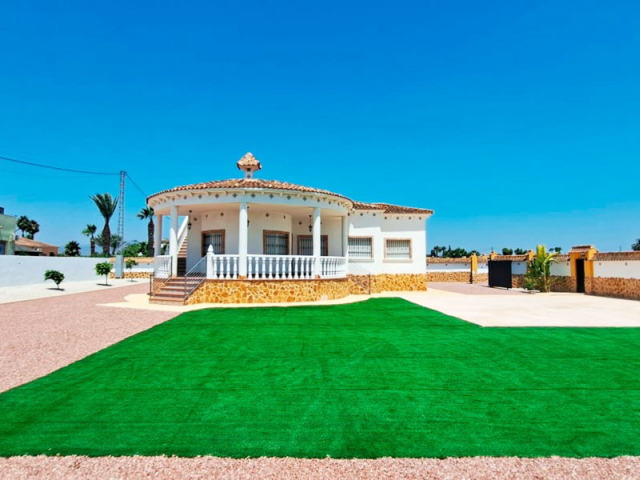
- Villas: mostly €300,000 to €500,000, with the middle of the market around €415,000.
- Top end: large country villas and fincas up to around €975,000.
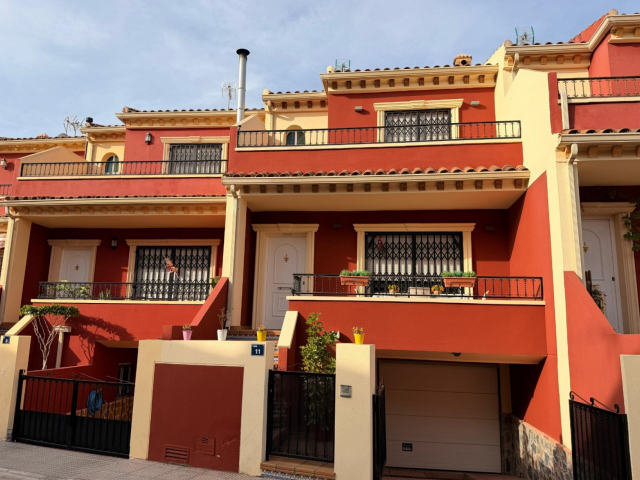
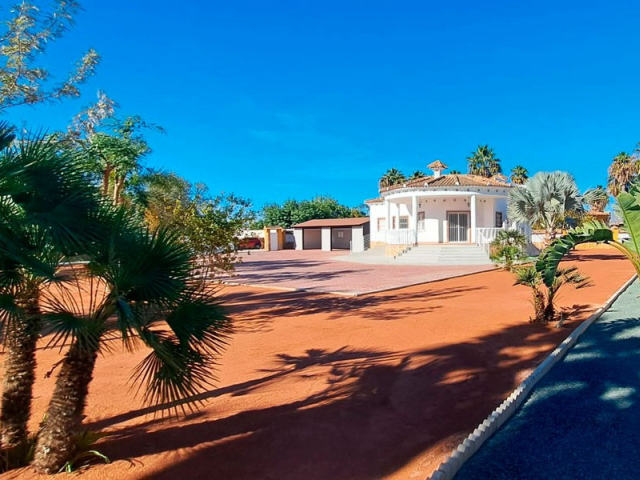
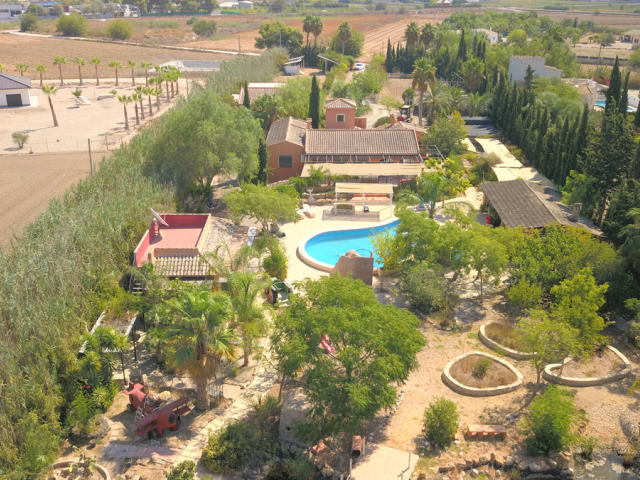
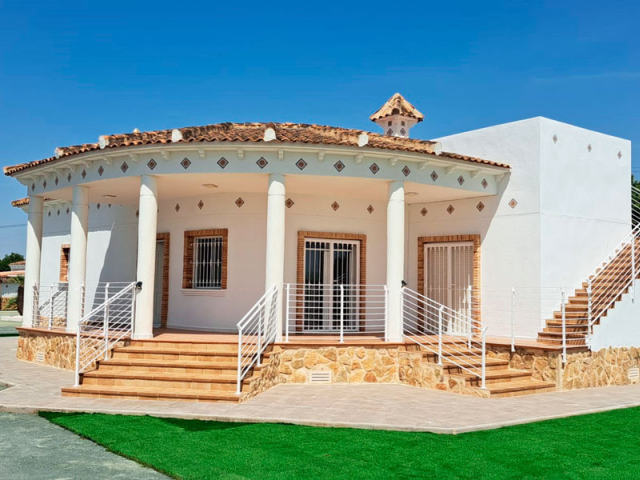
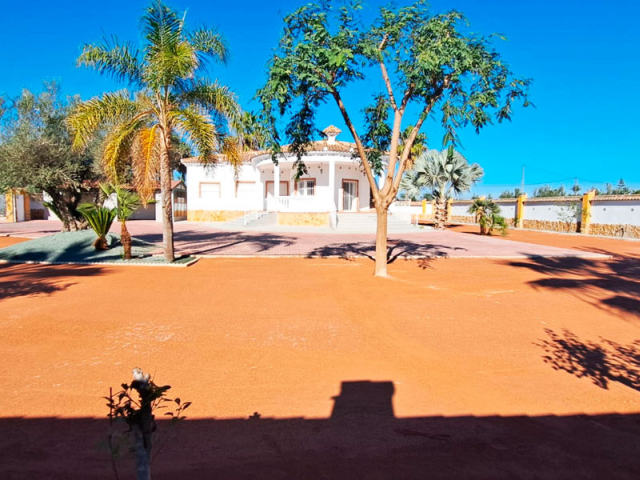
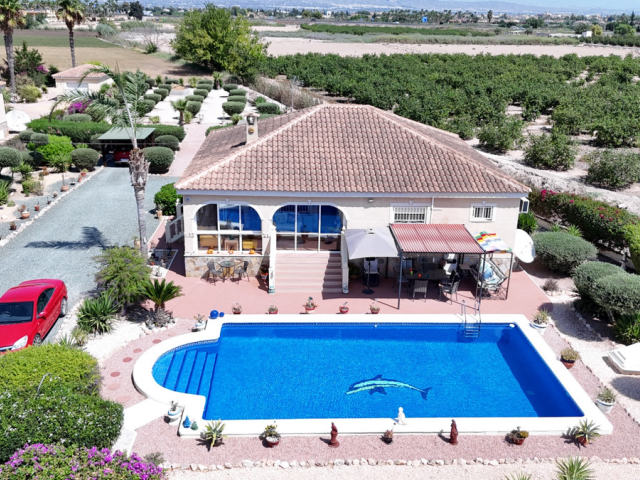
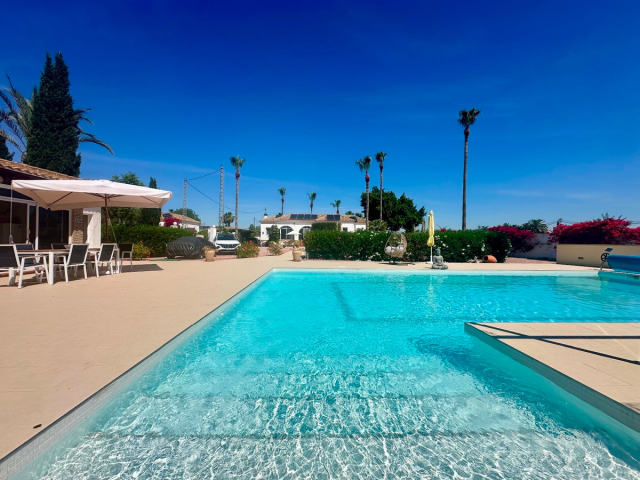
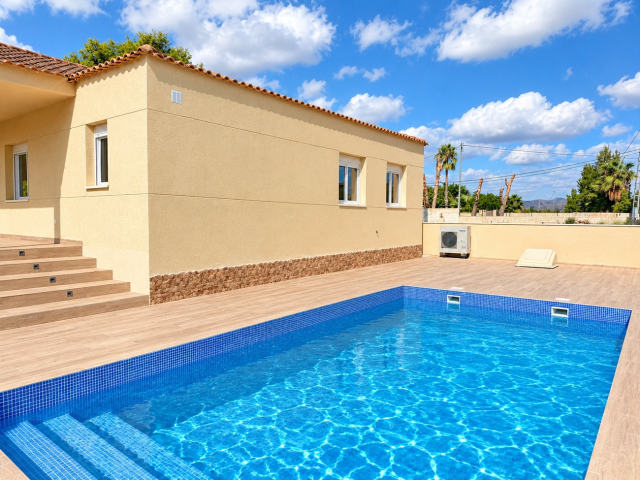
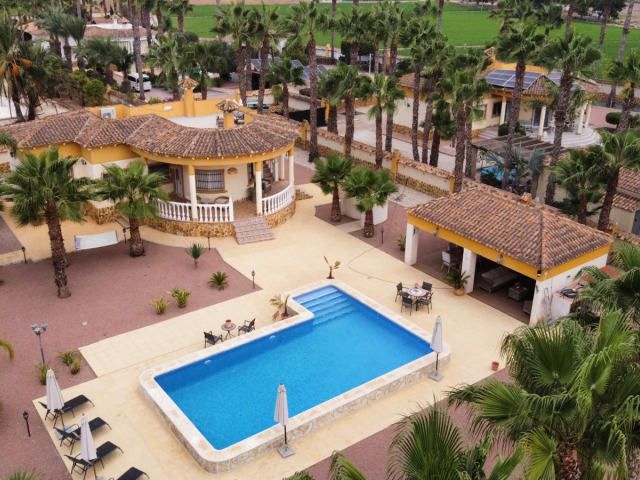
The typical home we sell in Catral has three bedrooms and about 140 m² of built space. Just over half have a private pool, and around a third are new builds, often detached villas on generous plots outside the town.
Buying costs
On a resale home in the Valencian Community, transfer tax (ITP) is 9% of the purchase price, rising to 11% on the part above €1 million from 1 June 2026. On a new build you pay 10% IVA plus 1.4% stamp duty (AJD).
One practical note on country properties: always check water supply, drainage and the legal status of the build and any extensions. We check this for you before you commit.
How far is Catral from the beach and the airport?
Catral is inland, so the beach is a drive rather than a walk. That is the trade-off: more house and more garden for your money, sea air ten or fifteen minutes away.
- Guardamar del Segura: about 20 km, roughly 20 to 25 minutes by car.
- Torrevieja and La Mata: about 25 km, roughly 25 to 35 minutes.
- Santa Pola: a similar drive north, around 25 to 30 minutes.
- Alicante-Elche airport (ALC): around 25 to 35 minutes by car in normal traffic.
- Región de Murcia airport (RMU, Corvera): around 45 to 55 minutes.
Being that close to ALC is one of Catral's quiet strengths. Friends and family can land and be at your door before the kettle has boiled.
Is Catral good for golf and the outdoors?
Yes, for golf it is well placed without paying golf resort prices. Three courses are within a 15 to 25 minute drive:
- La Finca Golf in Algorfa, an 18-hole, par 72 championship course designed by Pepe Gancedo and opened in 2002.
- La Marquesa Golf at Ciudad Quesada.
- Vistabella Golf, the closest of the three to the Almoradí side.
For walkers and cyclists, the appeal is the land itself. Catral lies next to the El Hondo Natural Park, an important wetland for migrating birds, and the town has a nature classroom within the park's protection zone. Lanes and farm tracks run for miles between the orchards, and they are flat, which suits easy cycling.
Who buys in Catral, and is it a good place to rent out?
Buyers here tend to be people who have looked at the coast, seen the prices and decided they want more space. British, Belgian, Dutch, Scandinavian and Polish buyers all buy in the Vega Baja towns, alongside Spanish families from Alicante and Murcia.
Catral suits two groups in particular: full-time residents who want a real Spanish town with everyday shops on the doorstep, and buyers who want a villa with a pool and a large plot within easy reach of the airport. If you want to compare quieter villages nearby, look at Daya Nueva and Rafal too.
On renting out, be realistic. Catral does not have the walk-to-the-beach holiday demand of the coast, so peak summer weekly rates are lower. What does work is a villa with a private pool for families and golf groups, and long-term or winter lets, where inland towns hold up well because tenants want space and lower running costs. Holiday letting needs a tourist licence, so check the current rules before you count on income.
If you would like a straight answer on any of this, call in to our office in Cabo Roig or have a look at the homes listed above.
Frequently asked questions
Can I manage in Catral without speaking Spanish?
You can, and there is a small international community, but Catral is a Spanish working town rather than a resort. A basic level of Spanish makes shops, banks and the town hall much easier, and locals are generally patient and friendly.
Do I need a car to live in Catral?
In practice, yes. The town centre is walkable and there is a local bus service and a nearby railway station, but you will want a car for beaches, golf, hospitals and large supermarkets.
What is the difference between a town house and a country villa in Catral?
Town houses put you within walking distance of the square, the market and the shops, usually with a roof terrace rather than a garden. Country villas sit on larger plots outside town with pools and privacy, but you rely on the car and should check water, drainage and planning paperwork carefully.
Is it hotter inland than on the coast?
Summer afternoons are usually a few degrees warmer in Catral than on the beach, because there is no sea breeze. Air conditioning and shaded terraces make a real difference from June to September.
Are there new build homes in Catral?
Yes. A meaningful share of what we sell here is new build, mostly detached villas with pools on good sized plots, and these are taxed as new builds at 10% IVA plus 1.4% stamp duty.
How long does it take to buy a home in Catral?
A straightforward resale purchase usually takes around six to ten weeks from accepted offer to signing at the notary. New builds depend on the construction stage and can take considerably longer.