
Where is Dolores?
Dolores sits inland on the Costa Blanca South, in the farming plain known as the Vega Baja del Segura. The town is in Alicante province, in the Valencian Community, and belongs to the judicial district of Orihuela.
Almoradí, Catral and Daya Nueva are its closest neighbours, so the whole cluster of Vega Baja towns is within a few minutes' drive.
Dolores lies in the heart of the Segura huerta, about 10 km from the nearest beaches at La Marina and Guardamar, and is easily reached from the Mediterranean motorway and the newer road from Elche. El Hondo Natural Park, known for its birdlife and walking, is close by.
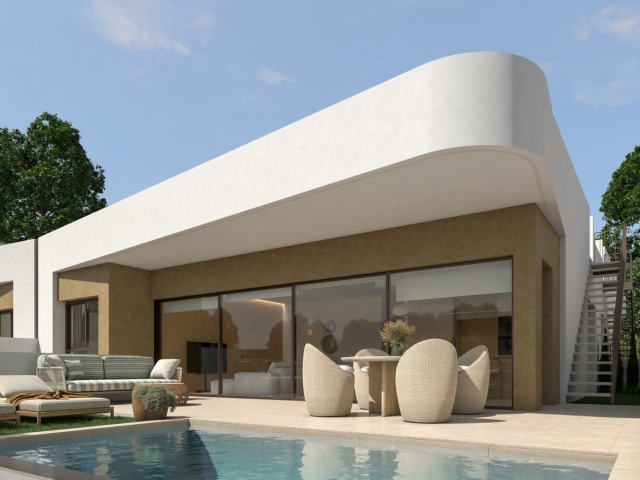
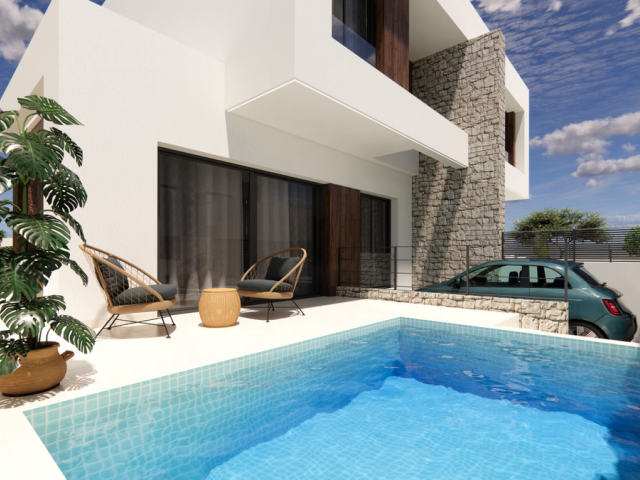
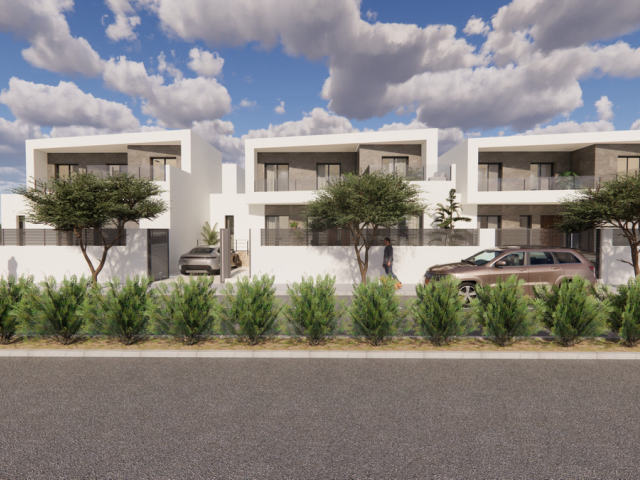
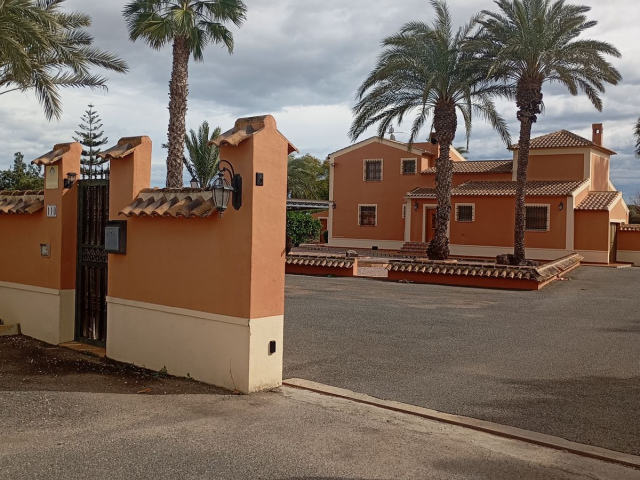
The land here is flat and low lying, which makes it easy for cycling and walking. Most homes are single storey or two storey, on their own plots, rather than in high blocks.
What is it like to live in Dolores?
Dolores feels Spanish first and international second. Foreign residents here tend to live among Spanish neighbours rather than in separate coastal urbanisations, which gives day to day life a more local feel.
The town was planned, not grown by accident. It was founded in the early 18th century by Cardinal Belluga, who drained marshland into farmland, and the street layout still reflects that orderly planning. Town life centres on Plaza del Cardenal Belluga, where the town hall and church stand among pines and palms.
For shopping and food you have the basics on the doorstep:
- The indoor municipal market near Plaza del Cardenal Belluga, offering fresh local produce.
- A Friday morning open air street market for produce, fruit and pastries.
- Supermarkets, shops, bars and restaurants, a bank, a post office and a petrol station.
Families should know that schooling is mainly in Spanish. There are several Spanish state schools in the town, including a nursery, three primary schools and a secondary school, while King's College, The British School of Alicante is around 35 minutes away along with other private international schools within about 30 minutes' drive.
The Vega Baja's main public hospitals are in Orihuela and Torrevieja, both a short drive away, and there are private clinics across the area. The fiestas are worth knowing about too: the patron saint fiestas of Nuestra Señora de los Dolores in September bring parades, music and fireworks, and the town also holds a traditional livestock fair.
Being honest: Dolores is quiet in the evenings, there is no sea view, and you will need a car. Many people find a little Spanish goes a long way here.
How much does property cost in Dolores?
At the time of writing (September 2026), the homes we list in Dolores run from around €270,000 to €495,000, with a typical price near €425,000.
- Villas: most sit around €400,000 to €460,000, with a typical figure near €435,000.
- Apartments: typically around €320,000.
- Typical home: three bedrooms and roughly 118 m² built.
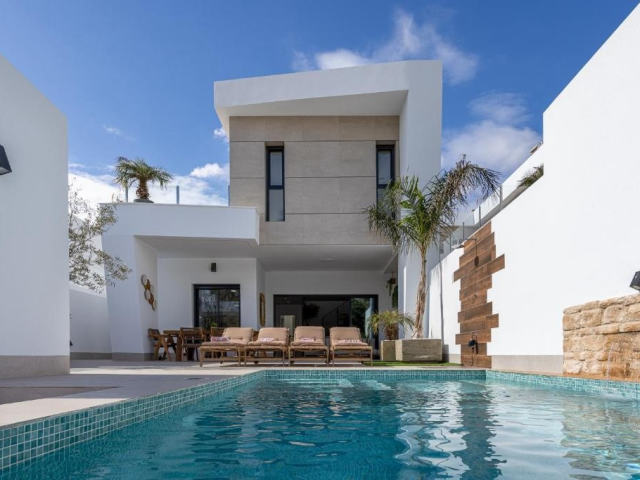
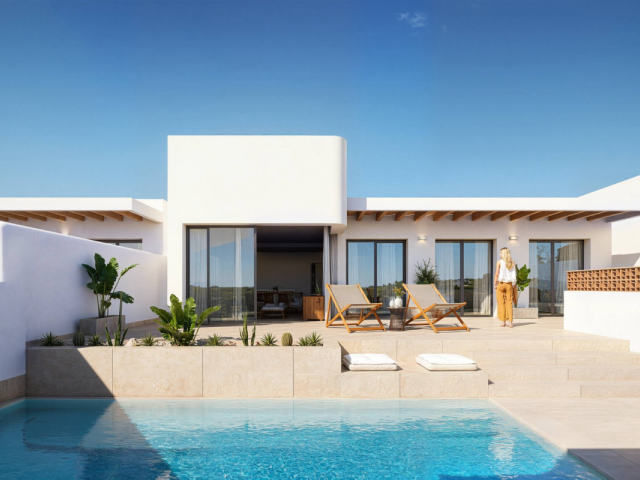
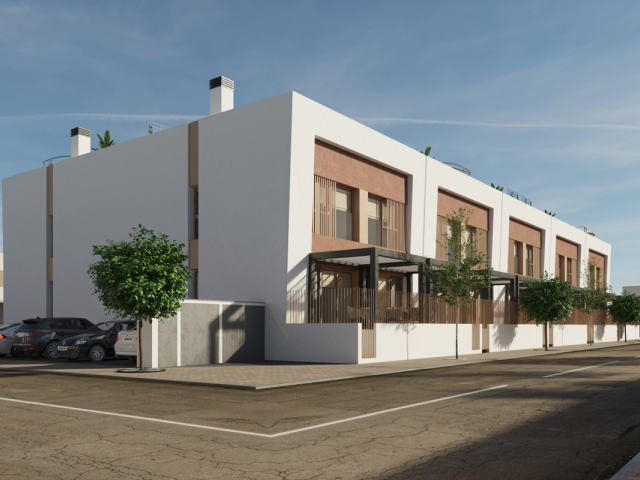
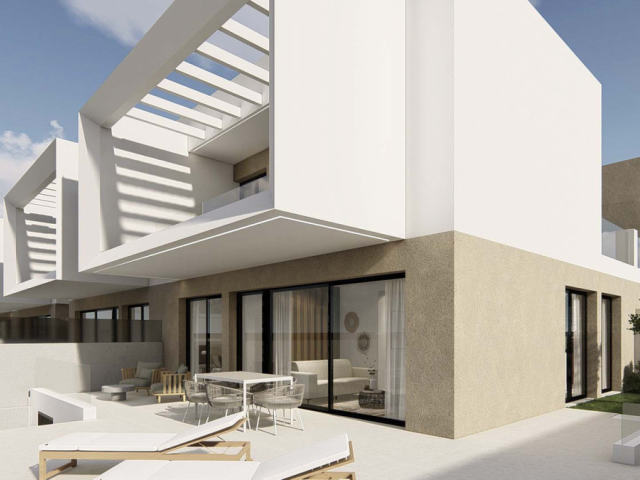
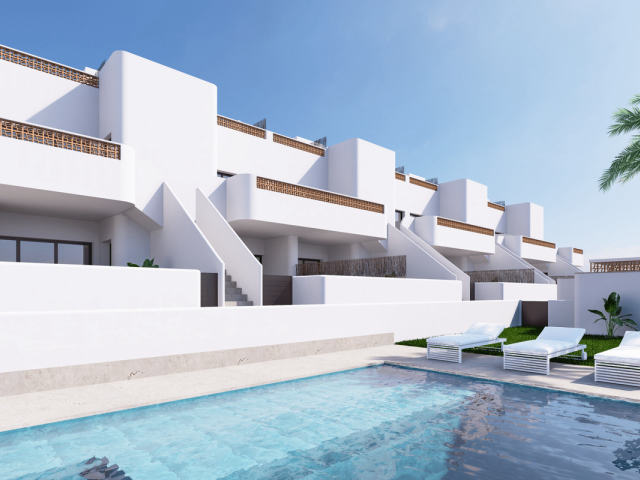
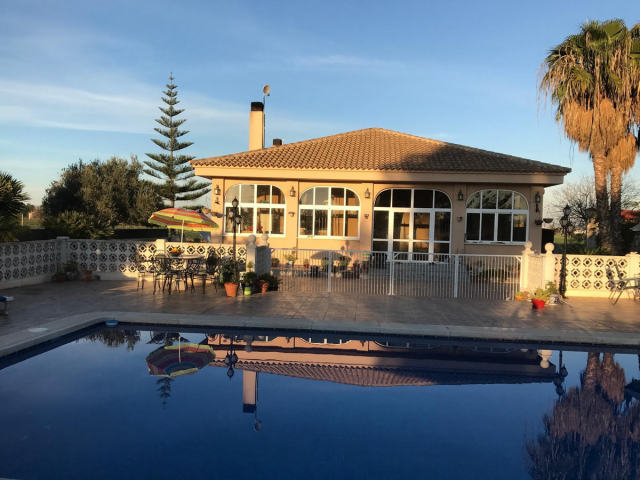
Almost all of our current Dolores stock is new build, and almost all comes with a private pool. That is why the prices above look higher than you might expect for an inland town.
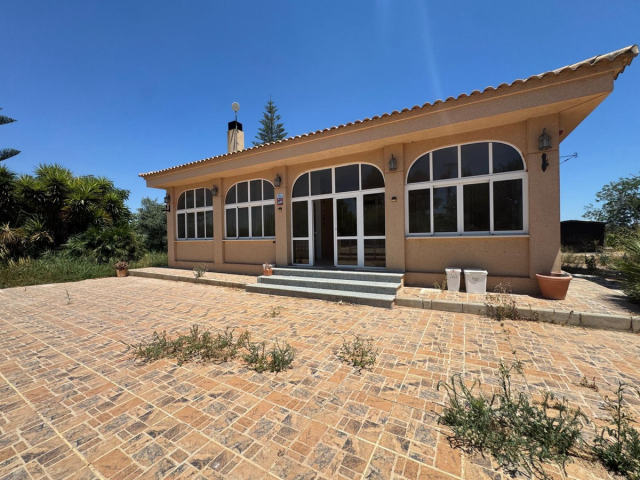
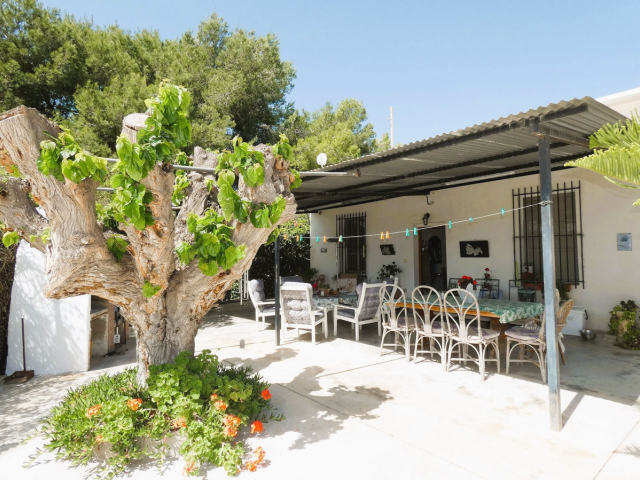
The wider local market is cheaper than the coast. Inland towns like Dolores remain more affordable than the province as a whole, and you will find traditional village houses in the centre, country fincas with citrus groves on the outskirts and a growing number of modern new build villas with pools. Older village houses and resale properties in town often cost well under our new build range, though many need work.
On buying costs in the Valencian Community: resale purchases carry 9% transfer tax (ITP), rising to 11% on the part above €1M from 1 June 2026. New build carries 10% IVA plus 1.4% stamp duty (AJD). Budget separately for notary, land registry and legal fees.
How far is Dolores from the beach and the airport?
The nearest sand is at Guardamar del Segura and La Marina, both within about 10 to 15 km. Expect roughly 15 to 20 minutes by car, and those beaches are backed by pine woods and dunes rather than tower blocks.
For airports, judge by road time rather than map distance:
- Alicante-Elche (ALC): about 25 km in a straight line, so roughly 30 to 40 minutes by car.
- Región de Murcia (RMU, Corvera): about 48 km in a straight line, so roughly 45 to 60 minutes by car.
Torrevieja, with its marina, shops and larger seafront, is around 25 minutes away. Alicante city is a straightforward drive north on the motorway.
Is Dolores good for golf?
Yes, if you like having several courses in range without living on a fairway. Three of the Vega Baja's best known 18-hole courses are close by:
- La Finca Golf at Algorfa, roughly 15 minutes away.
- La Marquesa Golf at Ciudad Quesada, a similar drive.
- Vistabella Golf, a little further, around 15 to 20 minutes.
Homes in Dolores are not golf resort properties, so you avoid resort community fees while still playing regularly. Green fee prices and society days vary by season, and the courses are busiest from autumn to spring.
Who buys in Dolores, and is it a good place to rent out?
Buyers here are usually people who have already seen the coast and want more space, more privacy and a more Spanish setting. We see British, Belgian, Dutch, German, Scandinavian and Polish buyers, plus Spanish families from the surrounding towns.
Two groups do particularly well in Dolores:
- Full time residents and early retirees who want a detached villa with a pool, a real town within walking distance and lower running costs than the coast.
- Buyers comparing inland villages, who also look at Formentera del Segura, Daya Vieja and San Fulgencio before choosing.
For letting, be realistic. Dolores is not a beachfront rental market, so holiday demand is weaker and shorter than in coastal resorts. A modern villa with a pool can let well in summer and to golfers and long stay winter visitors, but long term rentals to local and international residents are usually the steadier option. Any tourist letting needs the correct regional licence, and rules have tightened, so check the position before you buy.
If you would like an honest view on a particular street or development, call in to our office in Cabo Roig or have a look at the homes listed above.
Frequently asked questions
Do I need a car to live in Dolores?
In practice, yes. The town centre is walkable for shops, the market and cafés, but the beaches, airports, golf courses and international schools all need a car. Local buses link Dolores with neighbouring towns, but services are limited.
Is Dolores at risk of flooding?
The Vega Baja is a low lying, irrigated plain, and parts of the comarca have flooded in the past, most notably in 2019. It varies a lot street by street and plot by plot, so ask us about the specific property and have your lawyer check it before you commit.
Will I manage without speaking Spanish?
You will get by, as some businesses are used to international residents, but Dolores is a Spanish speaking town rather than an expat enclave. Most people who settle here happily learn at least basic Spanish.
Are there older, cheaper houses in Dolores as well as new builds?
Yes. Traditional village houses in the centre and country properties on the outskirts often come in below our new build range, though many need modernising. Tell us your budget and we will let you know what is realistically available.
How hot does it get in summer?
Summers are hot and can feel humid, with average July and August temperatures around 28°C and daytime peaks higher. Winters are mild and dry, which is why many owners use the property year round.
Can non-EU buyers such as British buyers purchase here?
Yes. Buying property in Spain is open to non-EU buyers, and you will need a Spanish NIE number and a Spanish bank account. Owning a home does not by itself give you residency or unlimited stay rights.