 Written by Nicki Price, CEO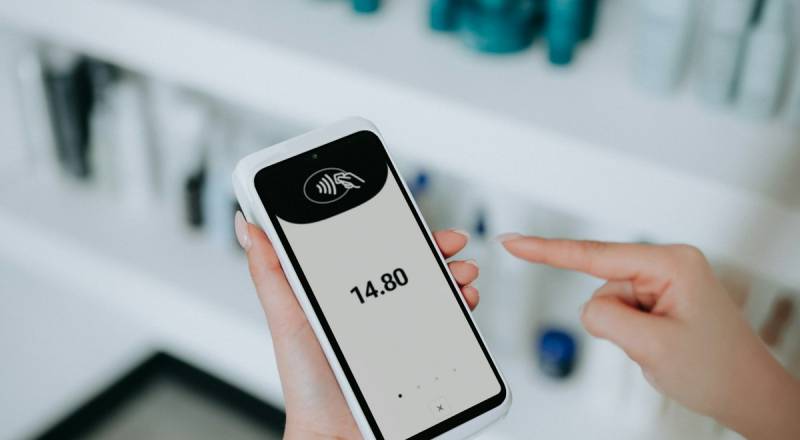
Spain has been progressively tightening its payment and financial reporting rules as part of a broader anti-fraud strategy. In 2026, several key changes affect property owners, expats, freelancers, and anyone conducting financial transactions in Spain.
The overarching goal is to reduce the shadow economy, increase tax compliance, and bring Spain in line with EU-wide digital finance regulations.
Spain already had some of Europe's strictest cash payment rules. The key limits are:
| Transaction Type | Cash Limit | Penalty |
|---|---|---|
| Business-to-business or business-to-individual | €1,000 (if one party is a professional/business) | 25% of the amount paid in cash |
| Non-resident paying a professional | €10,000 | 25% of the amount |
| Private individual to private individual | No legal limit, but amounts over €1,000 may trigger reporting | N/A (but reporting obligations apply) |
Important for property transactions: You cannot pay any part of a property purchase in cash above the €1,000 limit when dealing with a professional (estate agent, developer, etc.). All payments must be traceable — bank transfers or banker's cheques.
Previously, banks were required to report cash transactions of €3,000 or more to the authorities. This threshold has effectively been lowered — banks now report patterns of transactions and any amounts that appear structured to avoid detection, regardless of the individual transaction size.
This means even regular cash deposits or withdrawals of smaller amounts may be flagged if they follow a pattern.
Spain now requires holders of cryptocurrency and digital wallets to declare these assets:
When buying or selling property in Spain, every payment must be fully documented and traceable:
If you are self-employed (autónomo) in Spain, the payment rules are particularly strict:
Spain has implemented rules requiring businesses to accept card payments for any transaction. Refusal to accept card payment can result in fines. This is part of the push towards a more cashless economy and affects:
| Infraction | Penalty |
|---|---|
| Cash payment above limit | 25% of amount paid in cash |
| Failure to declare foreign assets (Modelo 720) | €5,000 per item of data (minimum €10,000) |
| Failure to declare crypto (Modelo 721) | Similar to Modelo 720 penalties |
| Undeclared rental income | 50%–150% of unpaid tax, plus interest |
Mediter Real Estate ensures every transaction is fully compliant with Spanish payment regulations. We work with trusted lawyers and tax advisers to protect your interests on the Costa Blanca, Costa Cálida, Costa del Sol, and Costa Almería.
We use what you tell us here only to answer you. Privacy
We use cookies the site needs to work. With your OK we also use Meta (Facebook) cookies to measure our ads and show you homes like the ones you looked at. Google Analytics cookies, also only with your OK, count visits and show us which pages help.
Cookie policy